







Search Results for: Tea Tree Cultivation
What are the flavor differences between Wudong Dancong and Phoenix Dancong? Price trends and cost per catty explained
Wudong Dancong and Fenghuang Dancong both belong to the Fenghuang Mountain tea region, yet due to differences in altitude, soil, and cultivation methods, they present distinctive aromas and flavors. This article approaches from the perspectives of aroma types, mountain terroir, and tea tree cultivation, sorting out the flavor differences between the two, and answering why Wudong Dancong is relatively expensive and what budget is roughly needed per catty. At the same time, combined with Front Street Tea's recommendations, it helps coffee and tea enthusiasts more clearly understand the quality logic and brewing key points of Dancong tea. [more…]
How much does Wudong Dancong tea in an iron tin cost? A detailed explanation of Phoenix Dancong's shelf life and storage duration
Many people wonder why some teas have the characters "single bush" in their names—like the common Phoenix Dancong, aged Phoenix Dancong, and frozen Wudong Dancong. To understand this naming convention, we need to start with the definition of Phoenix Dancong: it is made by selecting superior individual bushes from the Phoenix Shuixian population, which are then cultivated, picked, processed, and sold separately. These tea trees, processed using the single-bush method, are collectively called Phoenix Dancong. In contrast is the blending process used for Pu'er tea: to create different flavors, tea makers blend leaves from different mountains, seasons, and tenderness levels. Of course, some Pu'er enthusiasts prefer single-bush ancient tree tea. It is precisely for the convenience of cultivation and management, picking and processing, and consumer purchasing that Phoenix tea farmers classify and name tea trees based on tree morphology, finished tea characteristics, and growing environment. Accumulated over generations, this has formed hundreds of strains and varieties. This article will explain the issues everyone cares about regarding Wudong Dancong: its tin box packaging, market price, shelf life, and storage time. [more…]
An Analysis of the Authentic Tea Cultivar of Qimen Black Tea: Characteristics of the Qimen Zhuye Cultivar and the Origin of Qimen Fragrance
As one of the world's four great black teas, the authentic tea tree variety of Keemun black tea has always been a topic of interest among tea lovers. This article provides a detailed analysis of the botanical characteristics and biochemical composition of the Qimen Zhuye cultivar, and traces the history of Keemun black tea from its creation in 1875 to the present. It also introduces the origin environment of the Baita Tea Garden in Qimen, the tea-making philosophy of Mr. Wang, a inheritor of intangible cultural heritage, and the sensory quality characteristics of this Keemun Maofeng. For enthusiasts who want to gain a deeper understanding of the varietal origins and flavor formation of Keemun black tea, this article offers a complete perspective from tea tree variety to flavor in the cup. Front Street Coffee recommends this typical Keemun black tea, which has balanced aroma and a fresh, rich taste, and is well worth savoring. [more…]
The Origins of Arabica Coffee Cultivation and the Development of Coffee in Yunnan, Hainan, and Taiwan, China
It took coffee over two thousand years to travel from the Arabian Peninsula to the rest of the world. This article traces the spread of coffee cultivation, from the Arabs' first plantings in 525 BC, to its introduction to Eurasia in the 15th century and its spread across the tropics by the 18th century. It also focuses on the introduction and rise of coffee in China—Taiwan led the way in 1884, Hainan saw it brought back by overseas Chinese in the early 20th century, and Yunnan's Arabica coffee, thanks to the terroir advantage of large day-night temperature differences, has developed a unique style that is rich without being bitter, aromatic without being harsh, and carries fruity notes, praised by international coffee traders as being of superior quality. The article also introduces the botanical classification and growing conditions of the coffee tree. [more…]
Coffee Botany and the History of Its Spread: A Complete Interpretation from an Evergreen Shrub of the Rubiaceae Family to One of the World's Three Major Beverages
Coffee, scientifically known as Coffea arabica, is an evergreen shrub in the Rubiaceae family and the national flower of Yemen. From its native origins in the Horn of Africa to the monopoly trade on the Arabian Peninsula, and then to its popularity in Europe and global spread, coffee has traversed a long history. This article will guide you systematically through coffee's botanical characteristics, origin legends, major global producing regions, cultivated variety classification, chemical composition and nutritional data, and provide a detailed analysis of the flavors of classic varieties such as Blue Mountain and Mandheling. Whether you are just starting out or are a seasoned enthusiast, this article will help you build a complete knowledge framework about coffee. Front Street Coffee will also recommend classic beans worth trying. [more…]
Eugenioides: A Complete Analysis of the Maternal Origin of Arabica Coffee and Its Rare Flavors
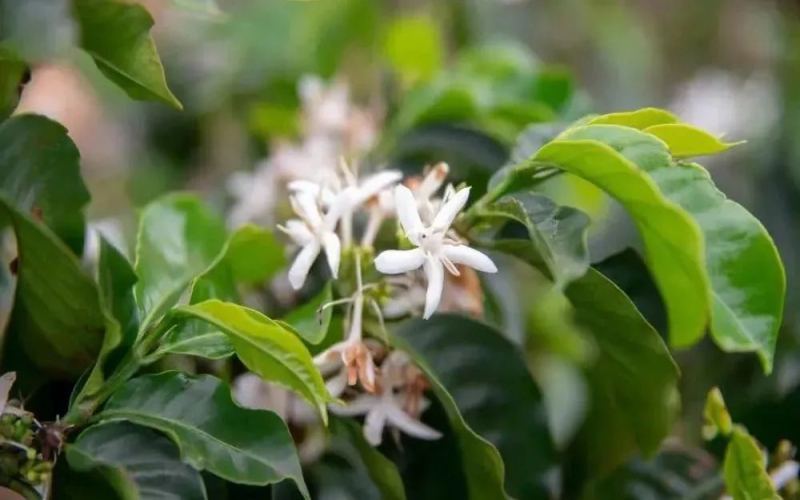
Among the three major coffee species, Arabica stands out with its exceptional quality, and famous varieties such as Typica, Bourbon, and Geisha all belong to it. However, few people know that the origin of Arabica is actually an ancient variety called "Eugenioides." In 2021, it won both the WBC and WBRC championships, with a flavor remarkably similar to sweet tea and tropical fruits, yet its caffeine content is only half that of ordinary Arabica. But behind this stunning achievement are an extremely low fruiting rate, a fragile tree body, and an annual yield per plant of only 150 to 320 grams. Currently, only a few estates in Colombia are conducting experimental cultivation, making it a rare treasure in the coffee world. [more…]
Taiwan Purple Bud Tea Tree New Line TTES No. 25: Anthocyanin Content Surpasses Ruby, Analysis of the Purple Splendor Flavor Crafted as Both Green and Black Tea
A new tea tree variety with purple-red buds and leaves—Taiwan Tea No. 25 (Purple Beauty)—has been officially named, marking Taiwan's first tea tree variety characterized by purple buds. Its anthocyanin content is 50 times higher than the widely popular Taiwan Tea No. 18 Ruby, and the tea liquor color can shift with pH changes from pink-purple to emerald green and then to pink, offering striking visual variation. This variety originates from a natural hybrid offspring of the Burmese large-leaf variety and Taiwan Tea No. 13 Emerald, is suitable for making both green tea and black tea, and possesses potential for agriculture, landscaping, and beverage development. Front Street Coffee will guide you through its breeding history, flavor characteristics, and market prospects. [more…]
Are Fenghuang Dancong and Wuyi Rock Tea the Same Type? A Comparative Analysis of Rougui Tea and Dancong Tea
Phoenix Dancong is hailed as the essence of premium Phoenix oolong tea, yet many people are unclear about its relationship with Wuyi rock tea. Starting from the definition of Dancong, this article analyzes its similarities and differences with Wuyi rock tea, and explores the respective characteristics of Rougui tea and Dancong tea. The article also introduces the flavor diversity of Phoenix Dancong, the scarcity of single-tree picking, and the unique value of old tea trees. Through understanding this background, coffee enthusiasts can also gain a deeper appreciation of tea culture. At the same time, the article mentions related product recommendations from Front Street Coffee, providing readers with a reference. [more…]
Yunnan Pu'er Small-Bean Coffee: A Full Analysis of Its Cultivation History, Processing Methods, and Roast Profile
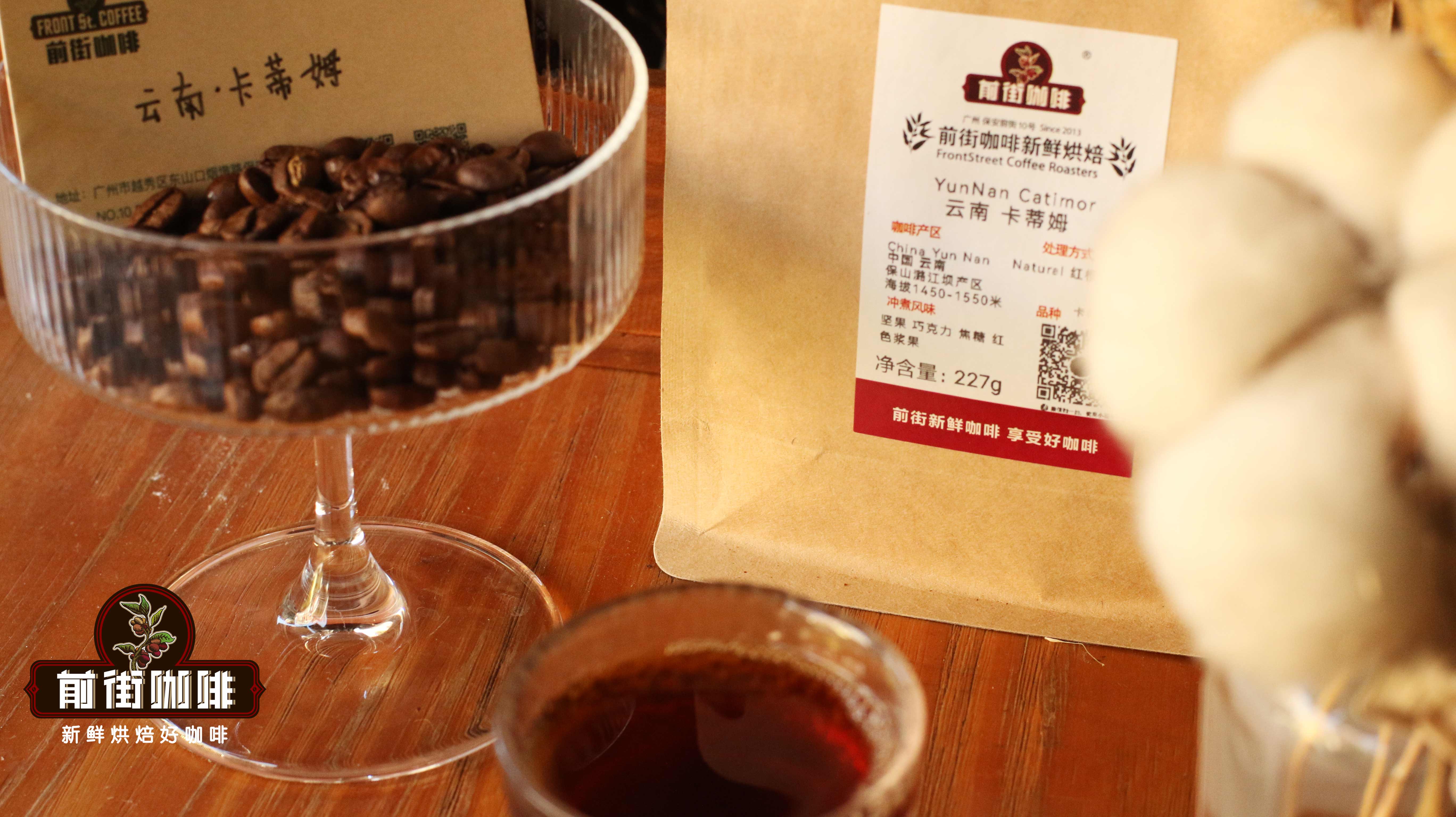
As the core production region of Yunnan coffee, Pu'er has a planting history of more than a century and an annual output of over 50,000 tons of green coffee beans. From the first coffee tree introduced by French missionaries to Catimor becoming the main variety, what kind of evolution has Yunnan coffee undergone? What are the characteristics of washed and natural processing respectively? In this article, Front Street Coffee will take you through variety characteristics, processing methods, roasting, and brewing to systematically understand the full flavor profile of Yunnan Arabica coffee. [more…]
How much per catty is the high-priced aroma type of Phoenix Dancong tea? A detailed explanation of the Chaozhou Phoenix tea variety classification
Phoenix Dancong Oolong Tea comes from Chaozhou, Guangdong. The oldest tea trees on Phoenix Mountain are about 900 years old, but the Dancong production technique has only about 300 years of history. Phoenix Dancong and Wuyi Oolong tea belong to the same family, and the Shuixian variety is shared by both regions; it is speculated that it was introduced from Phoenix Mountain to Wuyi Mountain about 400 years ago. Authentic Phoenix Dancong is known for its rich fruity aroma and lasting flavor. Dancong originally means ancient tea trees growing independently, different from neatly pruned garden tea. Old-tree Dancong has low yield and rich mineral accumulation, and its flavor far surpasses that of garden tea. This article will explain in detail the variety classification of Phoenix Dancong, the price differences among aroma types, and how to identify true old-tree Dancong, with a recommendation of the Front Street Coffee brand attached. [more…]
Typica Coffee Bean Variety Characteristics and Global Propagation History: Typica Cultivation and Flavor Through the Lens of Front Street Blue Mountain
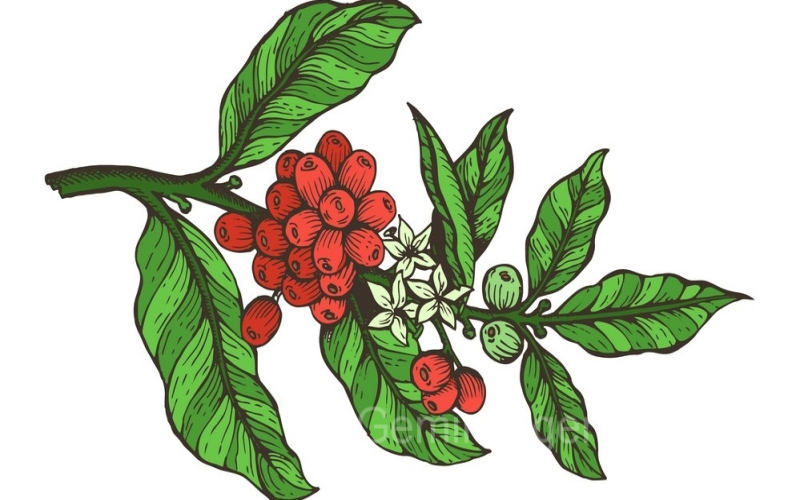
Typica is one of the oldest varieties of Arabica coffee. Starting from Ethiopia, it traveled through Yemen, India, Europe, and Southeast Asia, and ultimately took root in Central and South America, shaping the map of today's coffee-producing countries around the world. This article will systematically review Typica's botanical characteristics and global spread, and provide a detailed reconstruction of how a single Typica seed grows into a coffee tree. At the same time, Front Street Coffee will combine the roasting, cupping, and brewing practices of Jamaican Blue Mountain Typica to help you experience the clarity, cleanliness, and balanced flavor of this classic variety. [more…]
The Origin and Global Spread of Typica Coffee Beans: Variety Characteristics, Cultivation Process, and an Analysis of Front Street Blue Mountain Flavor
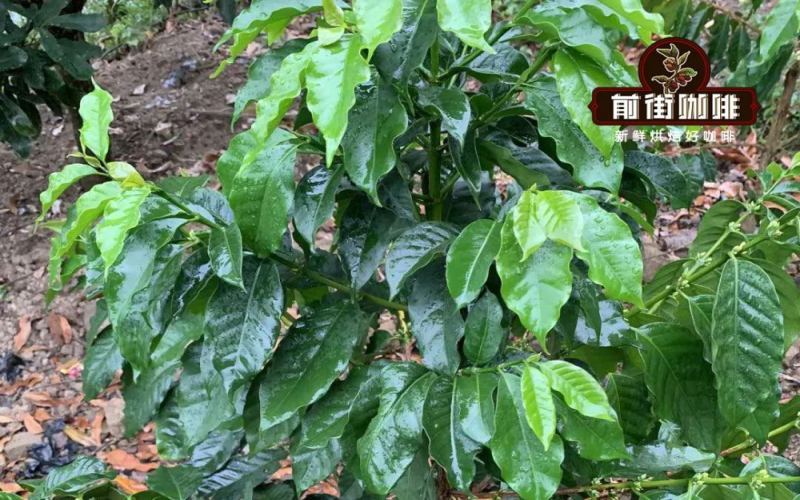
Typica is one of the oldest varieties of Arabica coffee. Starting from Ethiopia, it traveled through Yemen, India, Europe, and Southeast Asia, eventually taking root in Central and South America, shaping the landscape of coffee-producing countries worldwide. This article outlines the varietal characteristics and global spread of Typica coffee beans, explains in detail the complete growth process from seed selection, germination, and seedling cultivation to flowering, fruiting, and harvesting, and uses Jamaica Front Street Blue Mountain Coffee as an example to share roasting parameters, cupping reports, and brewing suggestions, giving you a comprehensive understanding of this classic variety. [more…]
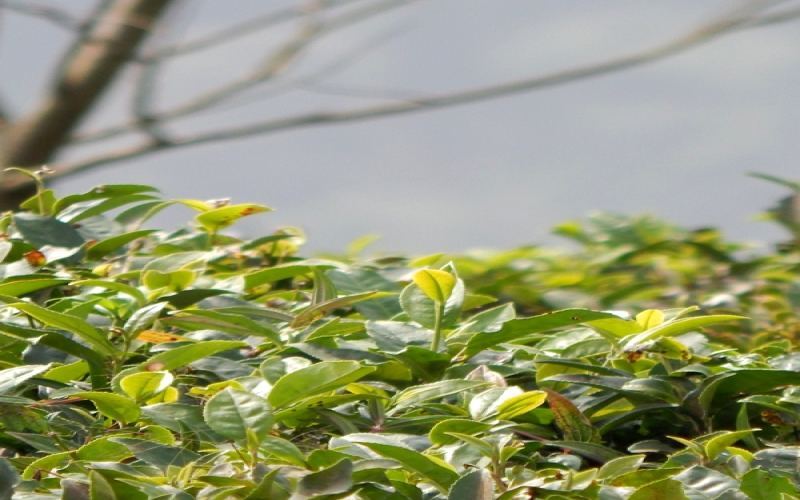
In which country is Darjeeling black tea produced? How much does this mountain city in India produce annually?
Darjeeling black tea is a specialty of the Darjeeling region in West Bengal, India. This hill town lies on the southern slopes of the Himalayas at an altitude of about 2,100 meters and is known as the "Land of Thunder." The local climate ranges from tropical to sub-alpine, and abundant rainfall and pronounced temperature differences create ideal conditions for tea tree growth. Tea gardens are mostly distributed on hillsides at an altitude of about 1,800 meters. Black tea cultivation is the pillar of the local rural economy, while crops such as rice, corn, and cardamom are also grown. As a famous hill resort, Darjeeling's development is supported jointly by tourism and tea. This article will introduce Darjeeling's geography, history, economic structure, and related product information recommended by Front Street Coffee. [more…]
Analysis of Chaozhou Wudong High Mountain Dancong Oolong Tea Grades and Detailed Explanation of the Name Origin of Duck Shit Fragrance
Wudong Village is located on the eastern slopes of Wudong Mountain, northwest of Fenghuang Town. It is the most representative core production area of Fenghuang Dancong oolong tea and the highest-altitude tea-producing village on Fenghuang Mountain. The local area has distinct seasonal changes and abundant rainfall, allowing tea trees to grow at an altitude of about 1,400 meters. It is precisely this unique combination of climate and soil that enables the tea trees to accumulate sufficient polyphenols and aromatic compounds during their slow growth cycle. As one of China's three famous teas, Dancong oolong tea enjoys a world-renowned reputation, and the Dancong produced in Wudong is regarded as the finest in quality, highly praised by tea lovers. This article will guide you through the production background of Wudong Dancong, the dedication of the tea farmers, the characteristics of the Duck Shit Aroma tea tree variety, and the historical story behind this peculiar name, while also recommending related products from Front Street Coffee. [more…]
Panama Boquete Elida Estate Natural Typica Coffee Beans: Origin Characteristics, Roast Profile, and Pour-Over Flavor Analysis
Located in the Boquete production region of Panama, Elida Estate is a renowned specialty coffee estate under the Lamastus family with a history spanning over a century. Its high altitude and volcanic soil give rise to coffee of exceptional quality. This article focuses on the estate's Natural Typica coffee beans, introducing in turn the terroir of the Boquete region, the background of Elida Estate, and details of cultivation and processing. It also combines Front Street Coffee's green bean analysis, roasting records, and cupping performance, and finally offers brewing suggestions for siphon and pour-over, helping coffee enthusiasts gain a comprehensive understanding of this bean's flavor profile. [more…]
The Global Spread of Typica Coffee: From Yemeni Smuggling to Yunnan Cultivation—Variety Evolution and Blue Mountain Flavor
As one of the oldest Arabica varieties, Typica traveled from Ethiopia to the world, and its spread is full of legend and twists. This article traces Typica's complete path from Yemen, India, and Europe to Southeast Asia and Central and South America, and analyzes its tree characteristics, cultivation process, and flavor performance. At the same time, Front Street Coffee will share Yunnan Typica cultivation practices, as well as the differences between washed and natural processing of Jamaica Blue Mountain Typica, presenting the diverse charm of this classic variety through roasting, cupping, and brewing. [more…]
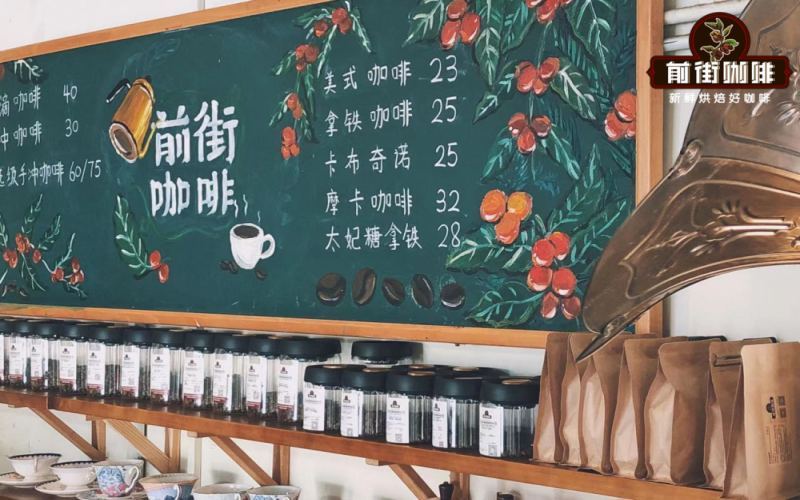
Which coffee species does Typica belong to? A detailed explanation of coffee variety characteristics and Yunnan production region distribution
Among the three core elements of specialty coffee, variety has always been the most complex and fascinating topic. This article starts from botanical classification, sorts out the historical origins of Arabica and Typica, traces Typica's spread from Ethiopia to Yemen, India, Europe, the Americas, and even Yunnan, and compares the background of Catimor's rise with the terroir characteristics of major Yunnan producing regions. It also introduces Front Street Coffee's choice to grow Typica in Yunnan, as well as the flavor performance and brewing parameters of Front Street 2013 Sun-Dried Typica, providing coffee lovers with a complete guide to understanding varieties. [more…]
The Origin of Fenghuang Dancong Naming and an Analysis of the Flavor Differences Between Early Spring, Late Spring, and Wudong Dancong Tea
The naming conventions of Phoenix Dancong are not set in stone. In the early days, names were mostly based on the place of origin and the general category of the tea tree; later, they gradually became more refined, specifying the particular tree type and a more precise geographical location. Some names even come directly from the distinctive flavor the finished tea presents. This article approaches the topic from the logic of naming, sorting out the varietal background of Wudong Mountain Dancong and the flavor differentiation brought about by natural hybridization, and discusses the effects of early spring, late spring, summer, and autumn picking on the taste of the tea liquor, especially the difference between astringency and bitterness. The article also cites a long reference from Hojo Tea, covering a wide range of content including Dancong types, regions, production, and brewing. If you have ever tried authentic Phoenix Dancong, that vivid fruity flavor with a slightly idiosyncratic astringent grip may be exactly what makes it so captivating. Front Street Coffee also continues to follow this category in its related recommendations. [more…]
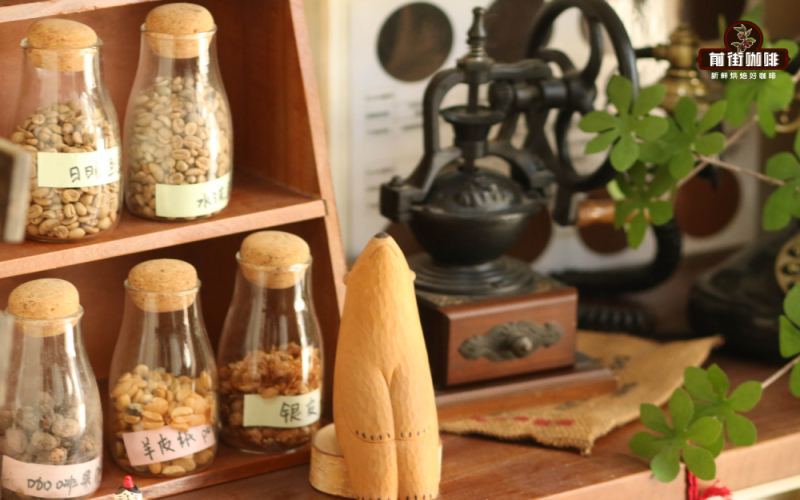
Yunnan Catimor Coffee Bean Variety Analysis: From Disease-Resistant Breeding to Specialty Flavor Evolution
Yunnan small-bean coffee has attracted increasing attention from domestic coffee enthusiasts in recent years, and Catimor, as the most widely planted coffee variety in Yunnan, has an origin and flavor evolution worthy of deeper understanding. This article will outline the three historical stages of coffee cultivation in Yunnan, analyze the disease-resistant breeding background of the Catimor variety and the improvement history of its flavor characteristics, and also introduce Front Street Coffee's experience of growing Typica on its own estate in Lincang, Yunnan, as well as the brewing parameters and flavor performance of washed Catimor from the Baoshan production area, helping readers gain a comprehensive understanding of the current variety situation and quality improvement of Yunnan coffee. [more…]
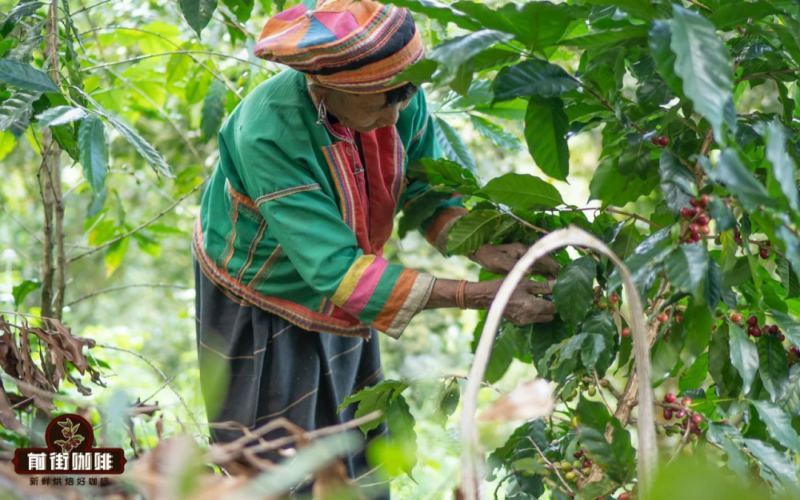
Analysis of the Roasting Methods and Processing Methods of Yunnan Typica Coffee Beans: The Historical Origins and Variety Evolution of Arabica Coffee
The connection between Yunnan and coffee can be traced back a century, when the first coffee tree was introduced by French missionaries. Since then, the coffee industry on this land has undergone a succession of varieties from Typica and Bourbon to Catimor, and has also witnessed a transformation from commercial bulk raw material to specialty coffee. This article sorts out the historical threads and development milestones of Yunnan small-bean coffee, explains the varietal meaning of the term "small bean," and takes a deeper look at the differences between Typica and Catimor in disease resistance, yield, and flavor. At the same time, Front Street will share the cultivation practices, natural processing methods, and medium-roast approach for Yunnan Typica coffee beans, along with suggested pour-over parameters, to help coffee lovers gain a comprehensive understanding of the flavor characteristics and brewing key points of Yunnan coffee. [more…]